Big Little Moments

Building brains with the Big Little Moments

Babies and toddlers are growing and learning every day. And the little moments you share can make a BIG difference. When you share a moment with your child, like reading a story, playing during bath time, or chatting while you wait for the bus, you’re helping your child learn and grow.

What are the Big Little Moments?

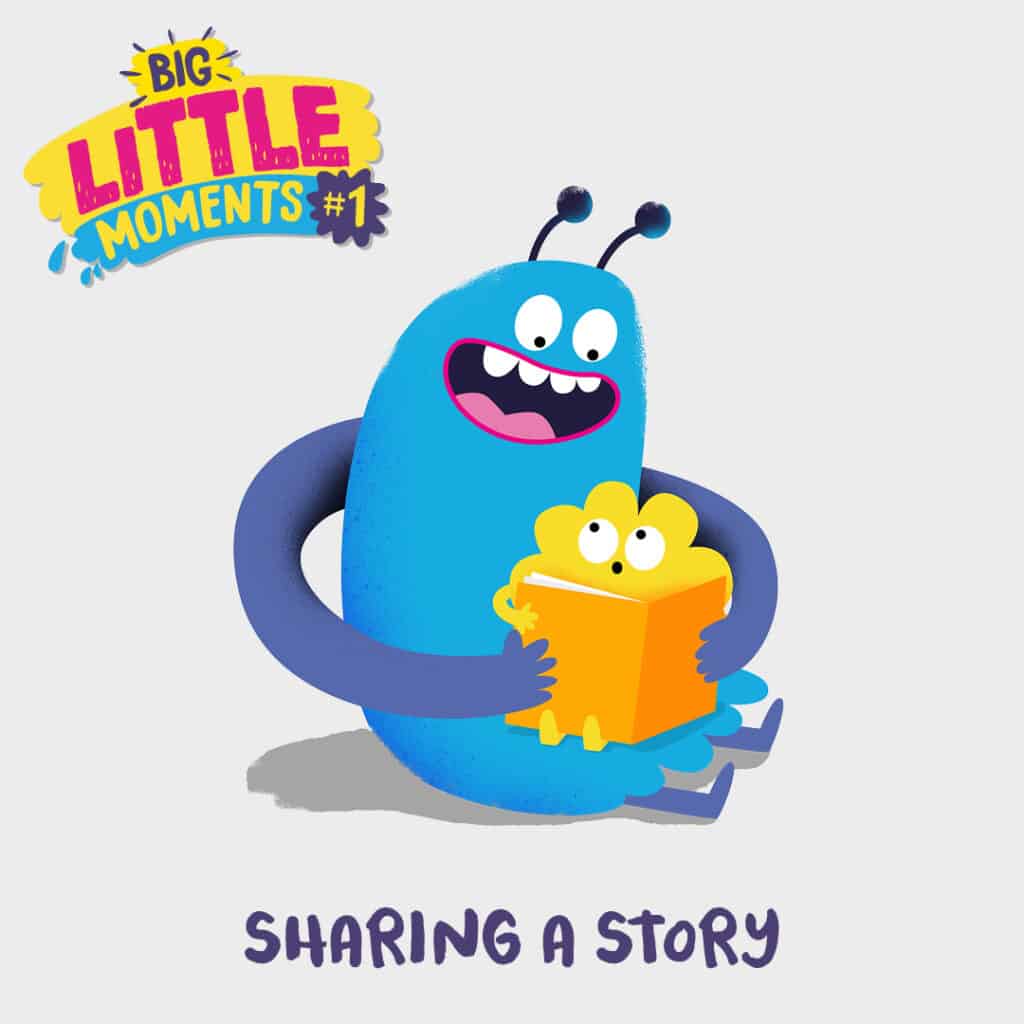
Sharing a story
Number one
Number two
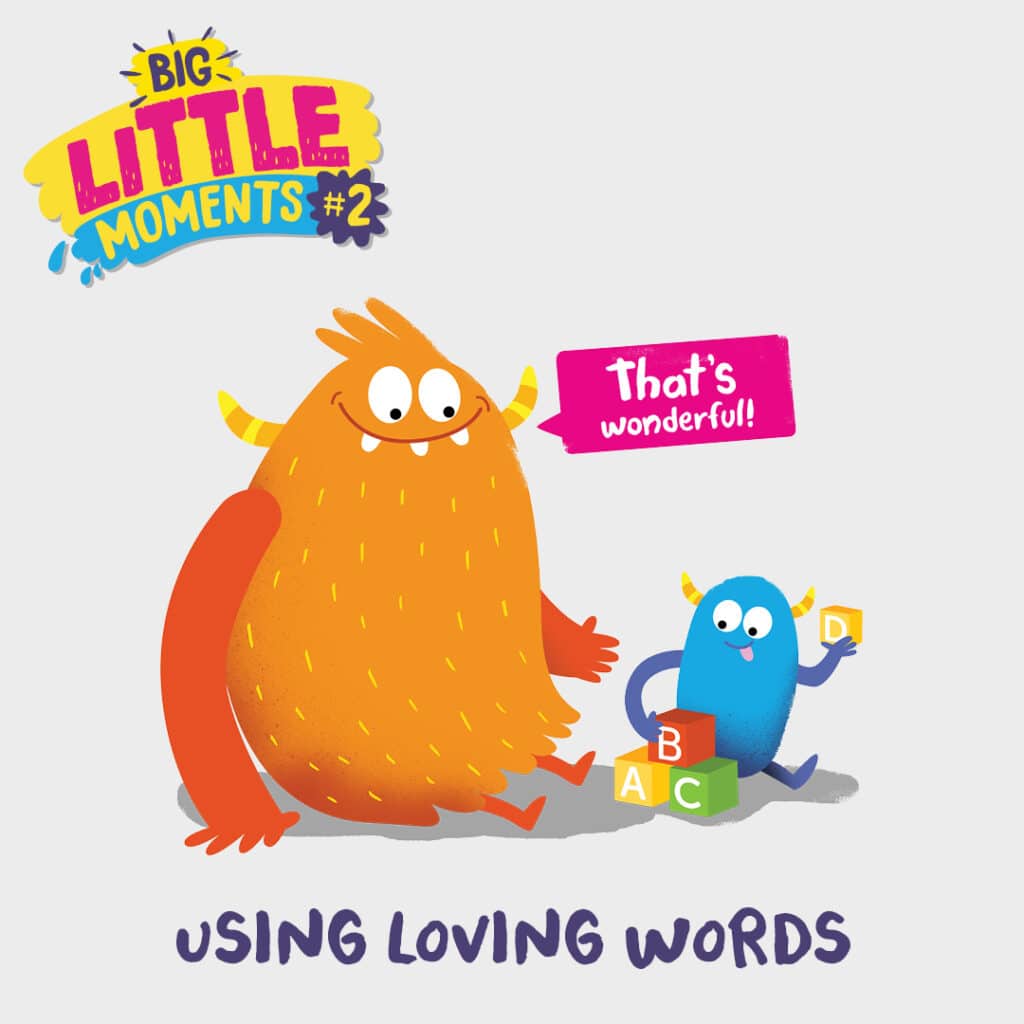
Using loving words
Number three
Number four
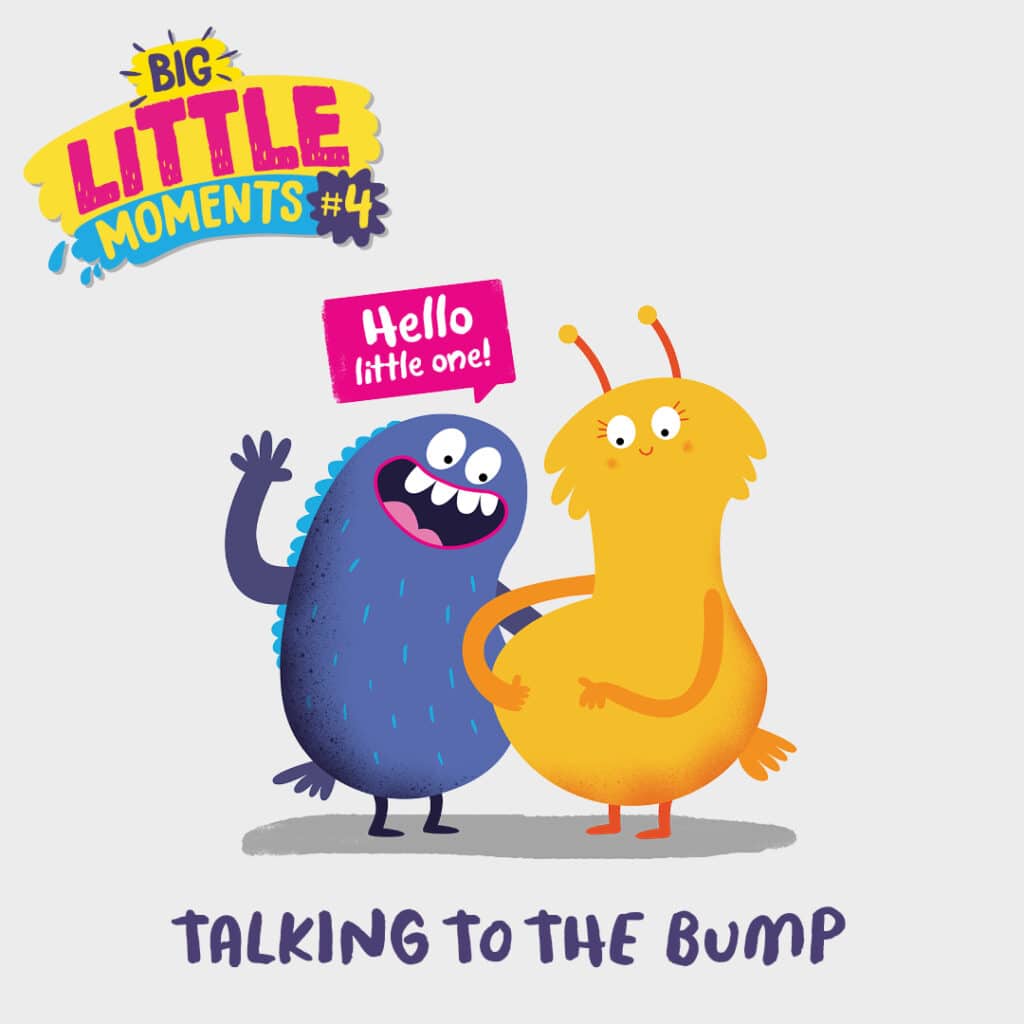
Talking to the bump
Number five
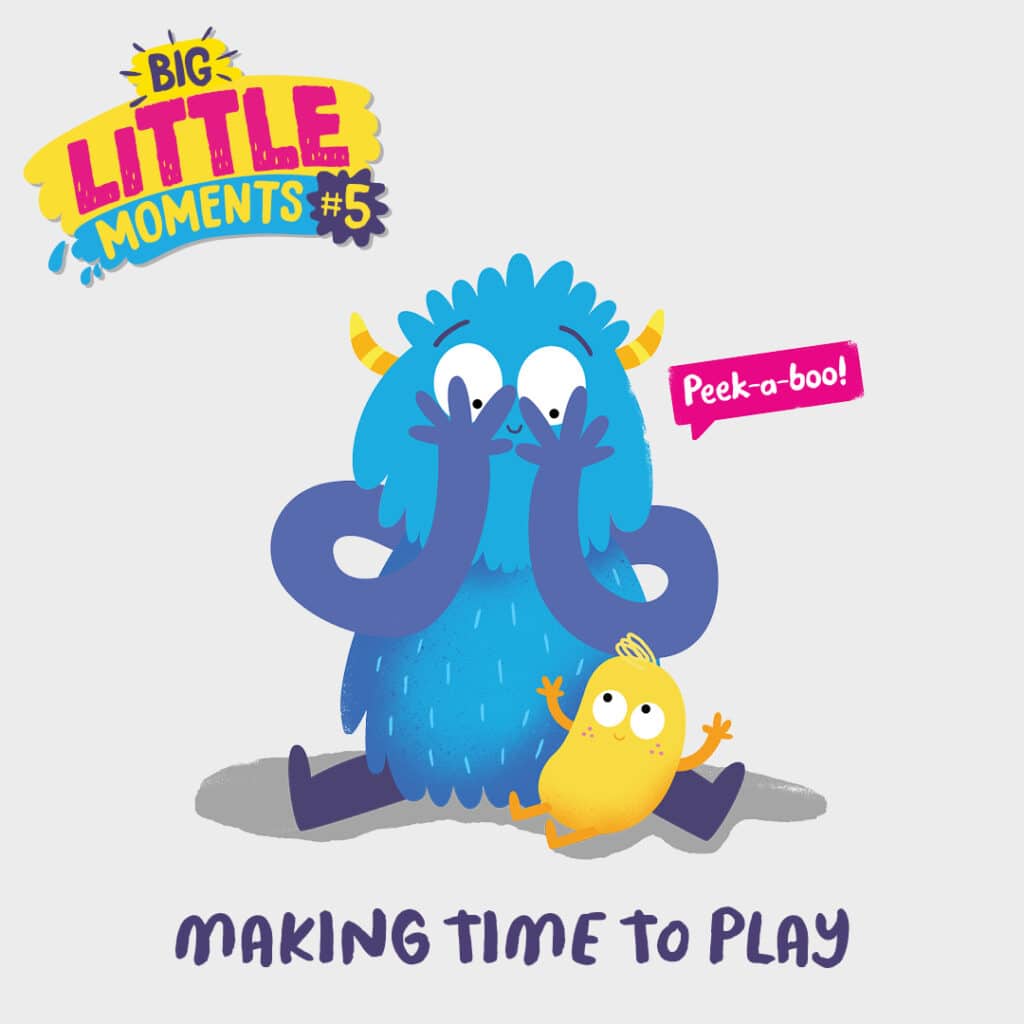
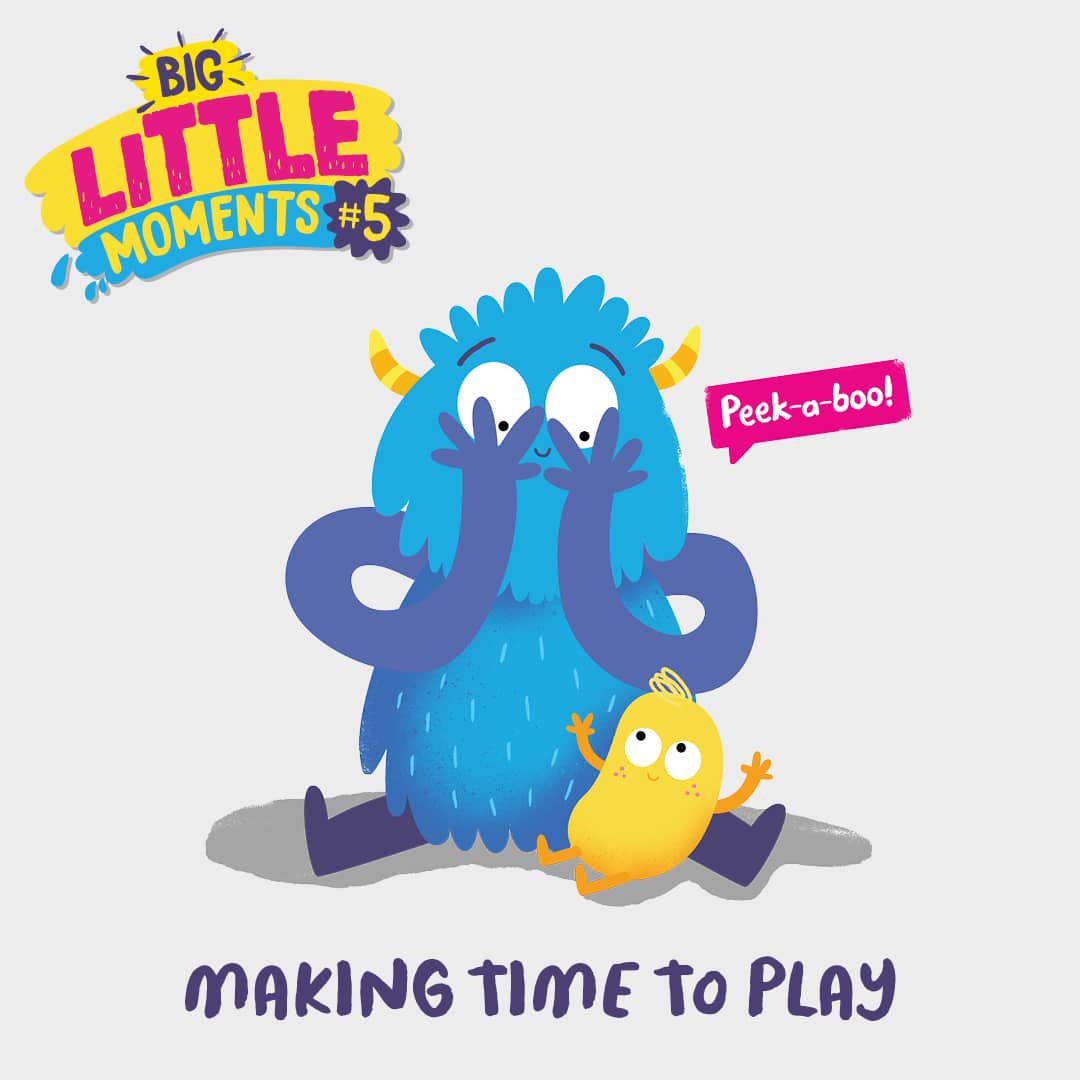
Making time to play
Number six
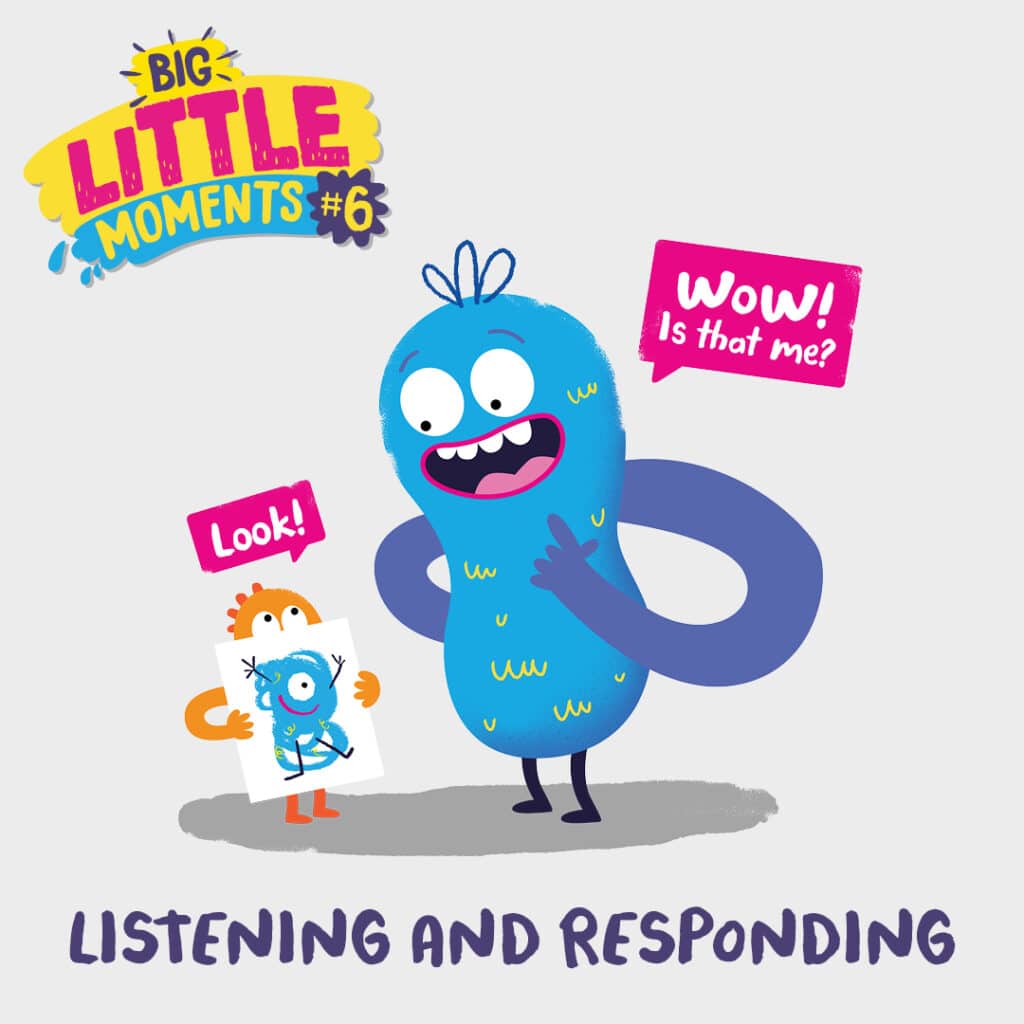
Listening and responding
Number seven
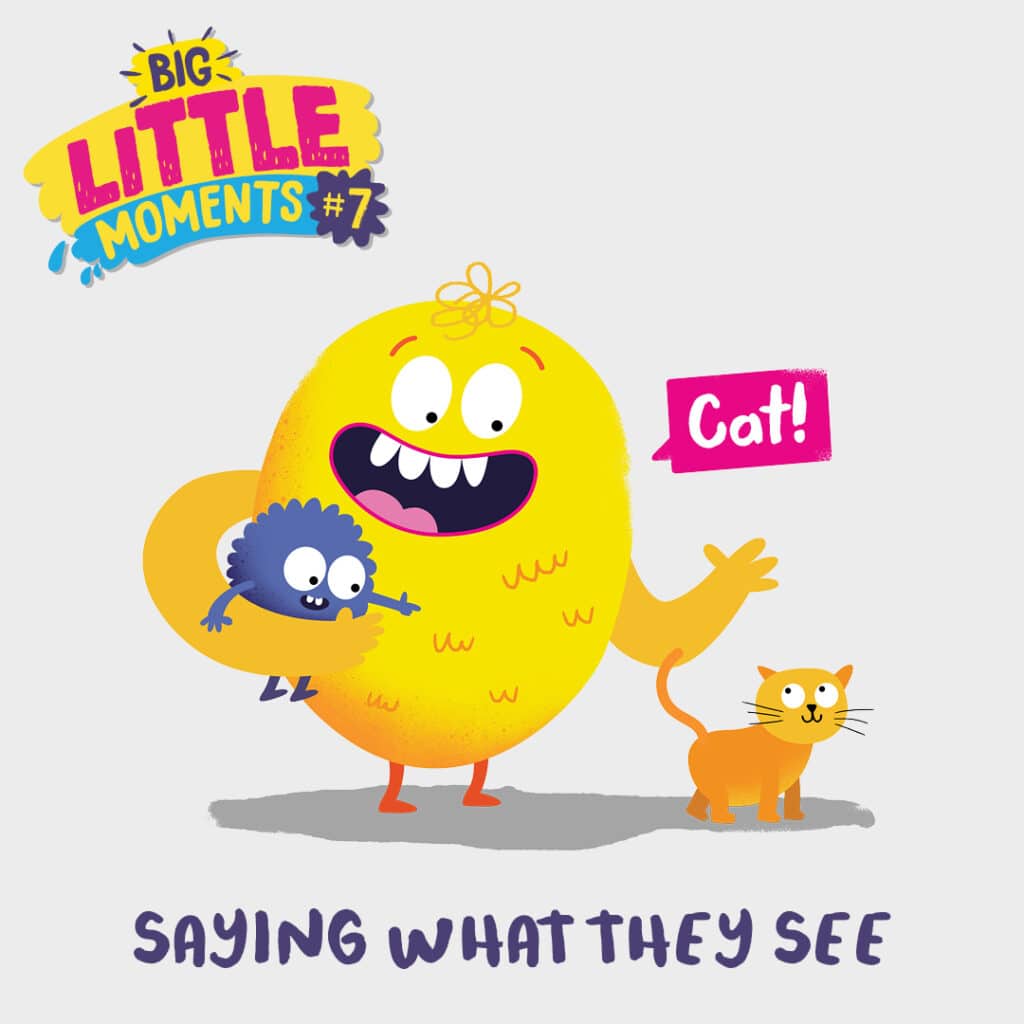
Saying what they see
Number eight
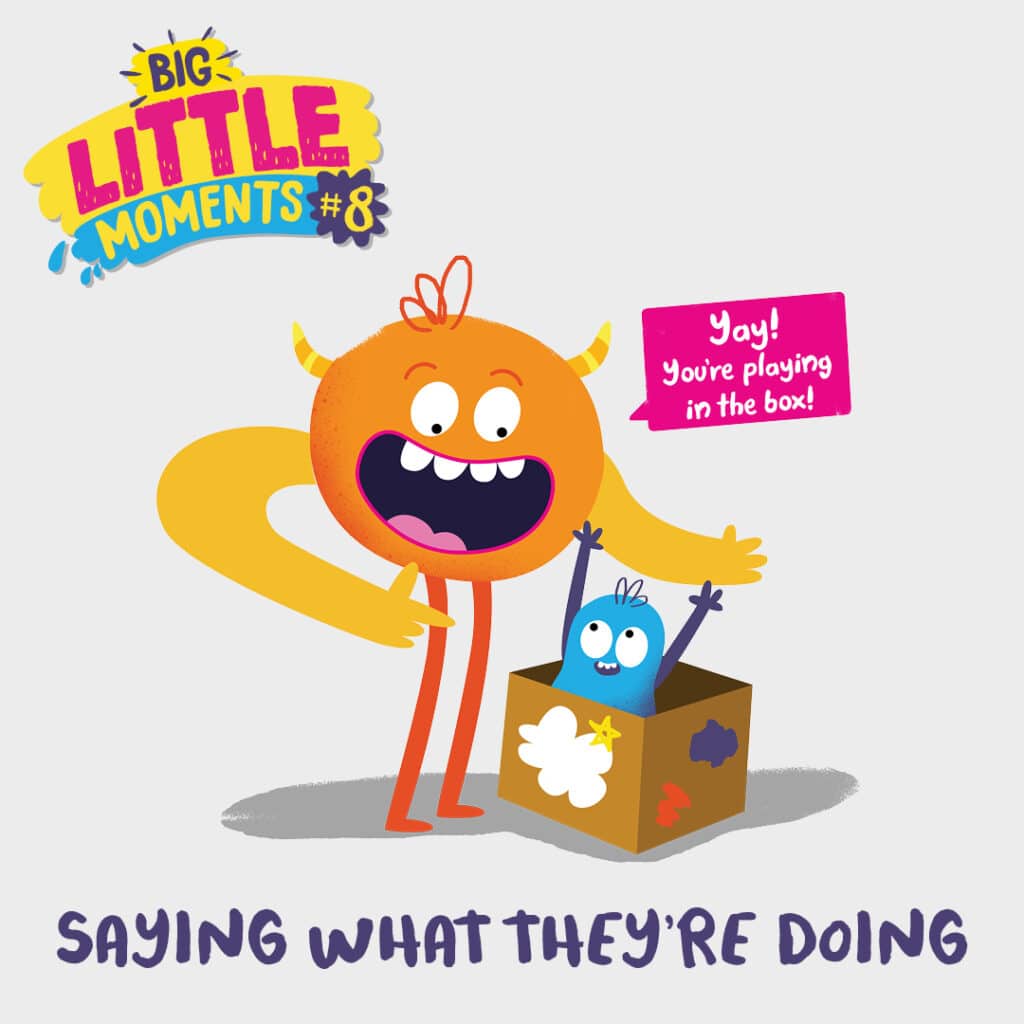
Saying what they're doing

How do I share these moments with my child?

Find out how you can make the most of the #BigLittleMoments and help your child learn and grow. Watch the short video clips below.

Sharing a story

Sharing a story

Young brains need building, just like houses. Sharing stories is really important for helping young brains grow and learn.

Using loving words

Using loving words

When you use kind, loving and calm words in response to what a child is doing, you’re helping them learn and grow. 

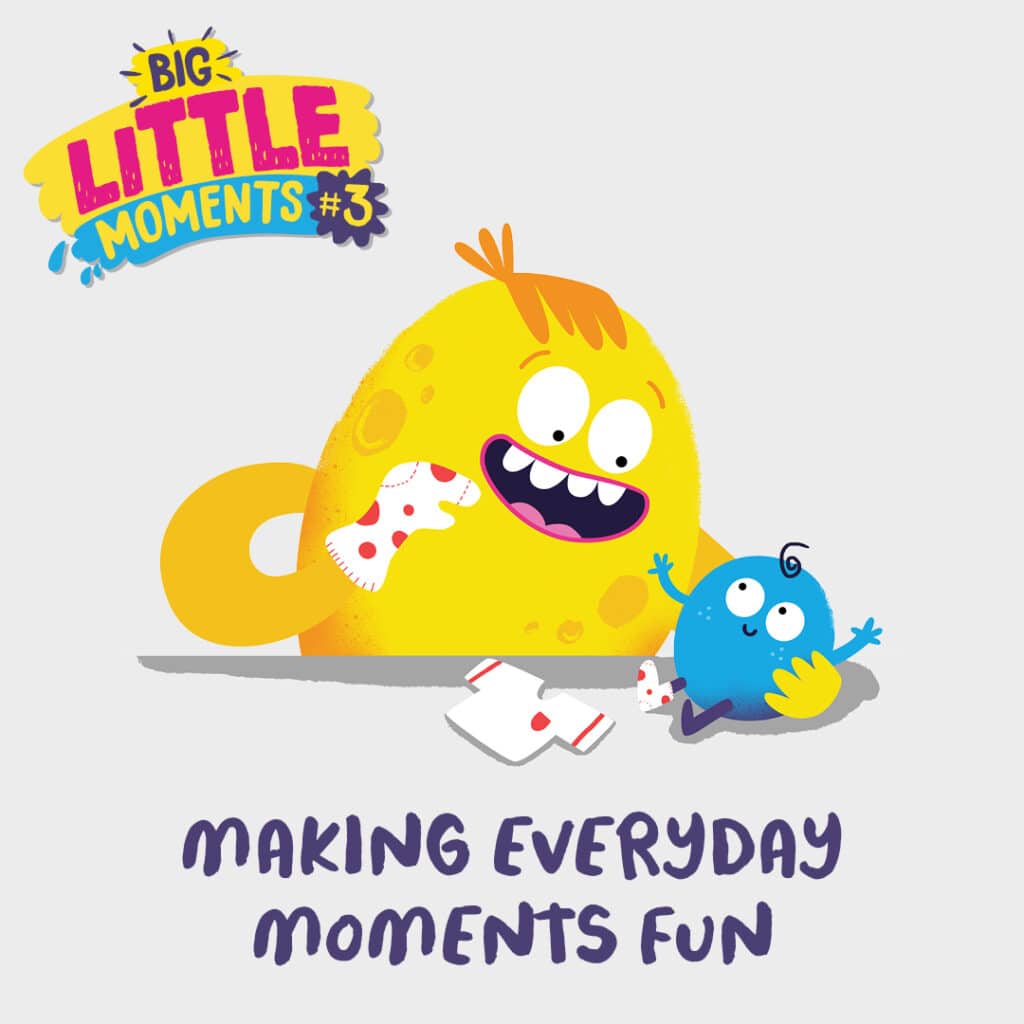
Making everyday moments fun

Making everyday moments fun

When your baby tries to play with you during everyday moments, like when you’re getting dressed, be playful back with them. This back and forth, like a game of catch, helps them learn and grow.

Talking to the bump

Talking to the bump

Babies brains are being built even before they are born. When you touch, sing or talk to the bump, you’re laying a strong base that will help them learn and grow.

Making time to play

Making time to play

Every time you play with a child, you’re helping them build a strong base so they can learn and grow. These little moments help your child in a big way.

Listening and responding

Listening and responding

Chatting to your child is really important. When they ask for your attention, it’s like they’re batting you a ball. When you respond, you’re batting that ball back. This back and forth helps them learn and grow. 

Saying what they see

Saying what they see

Making playful noises and pointing to things are some of the ways babies talk to you. When they do this, it’s like they’re throwing you a ball. When you respond, you’re passing that ball back like a game of catch.

Saying what they're doing

Saying what they're doing

When you talk to children about what they’re doing, you’re laying the base for a strong brain. 

See how Lambeth parents are making the most of Big Little Moments everyday

More Big Little Moments to share

Singing songs and rhyming rhymes

Singing songs and rhyming rhymes

Singing with your child helps them learn and grow. Just like a house, a child’s brain needs building. When you sing a song together or say a rhyme, you’re helping them build a strong and healthy brain.

Giving hugs and high-fives

Giving hugs and high-fives

When a child reaches out for affection, and you give them a hug or high-five, you’re doing more than being kind, you’re helping to build their brain.

Saying “well done” with stories and play

Saying “well done” with stories and play

A child’s brain is like a house, it needs building. Part of this is them learning how to behave. When you share play time or stories as a way of saying “well done”, you’re building their brain, helping them learn and grow.

Turning screen time into talk time

Turning screen time into talk time

Chatting back and forth with a child, like a game of catch, is good for their brains. If they’re watching TV or playing on a phone, watch and play with them. When you ask questions about what they’re watching or playing, it’s like you’re throwing them a ball. When they respond, it’s like they’re throwing that ball back. This back and forth helps them learn and grow.

Answering all their questions

Answering all their questions

Children love to ask questions. When you respond, even if you don’t know the answers, and start a chat that goes back and forth like a game of ping pong, you’re helping them learn and grow.

Having skin contact with your new baby

Having skin contact with your new baby

A baby’s brain is like a house, it needs building. When you touch your new baby skin-to-skin, it makes them feel safe and helps them to learn and grow.

Making waiting time, play time

Making waiting time, play time

If you’re waiting for a bus, to see the doctor, or in a line, use the time to chat with your child. When they ask you a question, it’s like they’re batting you a ball. When you respond, you’re batting that ball back, just like a game of ping pong. This back and forth helps them learn and grow.
How do the Big Little Moments work?

Children’s brains are a lot like ropes, they are made of many different strands. Let’s look at three of these strands: (1) how they learn to talk (2) how they feel (3) how they make friends

Every time you talk to a child, or respond to them, you’re helping these strands grow strong. And the stronger each strand is, the stronger their brain will be overall.

All these little moments you share add up to something much bigger, giving children the skills they need to develop into healthy, bright adults.

Building brains with the Big Little Moments

The Big Little Moments campaign is part of A Better Start, a ten-year National Lottery funded programme set up by The National Lottery Community Fund to help families give their babies and very young children the best possible start in life.

The theory behind the campaign builds on the Frameworks Institute’s Core Story of Early Childhood Development research; a set of important scientific insights into early brain and biological development. The insights have been distilled and translated into themes and metaphors that make the concepts more accessible to the public. This is the first time the research has been used in this way in the UK.

With the help of a friendly cast of characters, we are showcasing 15 important behaviours that make a huge difference to a child’s development.

Making time to play