Play is a fundamental part of a child’s growth and development. It is not just about having fun; it is a vital way for children to learn about themselves, their surroundings, and the world. This guide explores how play supports physical, cognitive, emotional, and social development in young children.
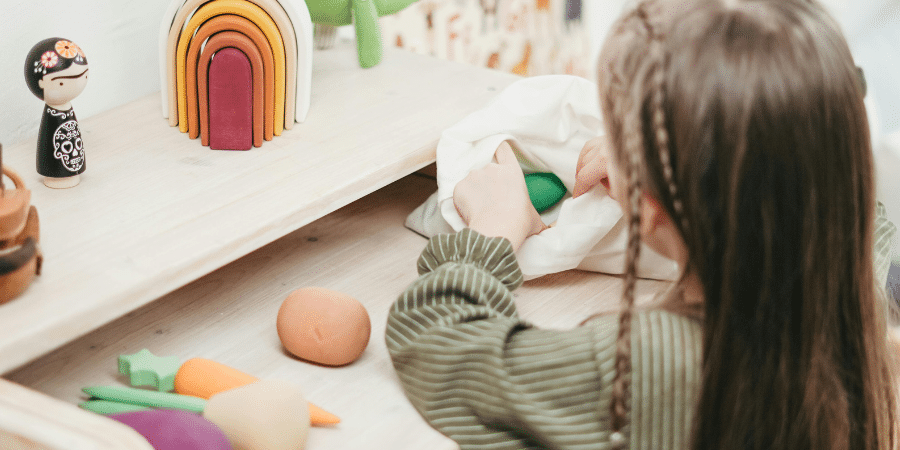
Physical Development Through Play
Play helps children develop their motor skills, strength, and coordination.
- Fine Motor Skills: Activities like drawing, building with blocks, and threading beads enhance hand-eye coordination and finger strength.
- Gross Motor Skills: Running, climbing, and jumping build muscle strength, balance, and coordination.
- Healthy Habits: Active play encourages physical fitness and reduces the risk of childhood obesity.
Cognitive Development and Problem-Solving Skills
Play stimulates cognitive growth and problem-solving abilities.
- Exploration and Curiosity: Open-ended toys and activities encourage children to think creatively.
- Cause and Effect: Simple games like stacking blocks teach consequences and problem-solving.
- Imagination: Role-playing games nurture creativity and abstract thinking.
Social and Emotional Development
Play fosters important social and emotional skills.
- Communication Skills: Group play encourages sharing, taking turns, and expressing feelings.
- Empathy and Understanding: Role-play and cooperative games teach children to understand different perspectives.
- Emotional Regulation: Play helps children process emotions and reduce anxiety.
Language Development
Through play, children are exposed to new vocabulary and communication styles.
- Storytelling: Reading stories and imaginative play improve language skills.
- Conversations: Engaging in dialogue during play enhances communication and listening skills.
- Songs and Rhymes: Musical play introduces rhythm, repetition, and vocabulary.
Creativity and Imagination
Play nurtures creativity and allows children to express themselves.
- Art and Craft Activities: Drawing, painting, and crafting inspire creative thinking.
- Pretend Play: Role-playing as doctors, chefs, or superheroes expands imagination.
- Building and Designing: Playing with construction toys encourages spatial awareness and planning.
Types of Play and Their Benefits
Different types of play serve different developmental purposes:
- Free Play: Self-directed play encourages independence.
- Structured Play: Activities with rules, like board games, teach discipline.
- Sensory Play: Activities involving textures, smells, and sounds stimulate sensory processing.
- Physical Play: Active play promotes fitness and physical health.
The Role of Parents and Caregivers in Play
Parents and caregivers play an essential role in supporting and encouraging play.
- Provide a safe and stimulating play environment.
- Engage in play activities with your child.
- Allow unstructured time for free play.
Subscribe to our Newsletter
Subscribe to our mailing list and be the first to receive our latest information and events
Play and Mental Health
Play is essential for emotional well-being and mental health.
- Reduces stress and anxiety.
- Provides a sense of joy and accomplishment.
- Builds resilience through problem-solving and risk-taking.
Inclusive Play for SEND Children
All children, including those with Special Educational Needs and Disabilities (SEND), benefit from play.
- Adapt activities to meet individual needs.
- Provide sensory-friendly toys and equipment.
- Foster a supportive and inclusive play environment.
Balancing Screen Time and Active Play
While digital play has its place, it’s essential to balance screen time with active, hands-on play.
- Set screen time limits.
- Encourage outdoor activities.
- Choose interactive and educational digital content.
Creating Play Opportunities at Home
You don’t need expensive toys or equipment to encourage play.
- Use household items for creative activities.
- Create dedicated play zones in your home.
- Encourage outdoor play and exploration
Play is a vital part of childhood, shaping physical health, emotional well-being, and intellectual growth. By understanding the value of play and creating opportunities for it, parents and caregivers can help children thrive in all aspects of their development.
Subscribe to our Newsletter
Subscribe to our mailing list and be the first to receive our latest information and events